From Hanseatic power to creative waterfront city
Every station, quay, and district reveals a chapter of Hamburg’s long relationship with trade, resilience, and reinvention.
Table of Contents
From Hammaburg to Hanseatic city
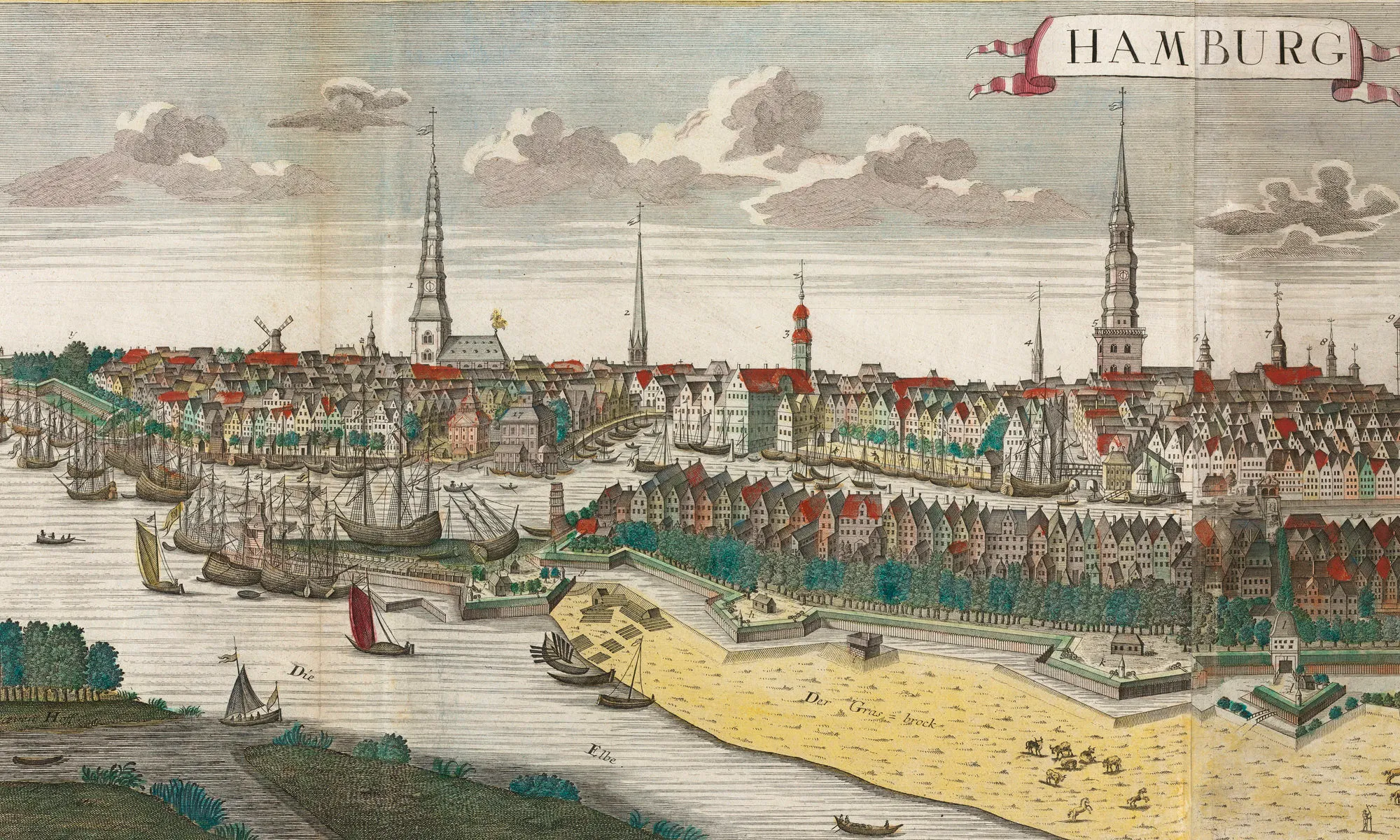
Before Hamburg became known for grand harbor views and urban waterfront architecture, it began as a strategic settlement often traced back to the early medieval Hammaburg. Over centuries, location did the heavy lifting: nearby rivers opened routes inland, while access to the North Sea connected the city to distant markets. Trade was not an afterthought here; it was identity. Local fortunes rose with shipping lanes, warehouse systems, and merchant networks that linked Hamburg to Scandinavia, the Low Countries, the Baltic region, and eventually much farther afield.
The Hanseatic legacy still shapes local character today: practical, internationally minded, and quietly proud. You can feel it in the architecture, in the rhythm of business districts, and in the way the city balances discipline with openness. Using a city card in modern Hamburg is more than convenience—it follows an old urban logic: movement, exchange, and access. In a city built on connections, your daily route becomes part of a story that has been unfolding for nearly a millennium.
Altstadt, churches & merchant identity
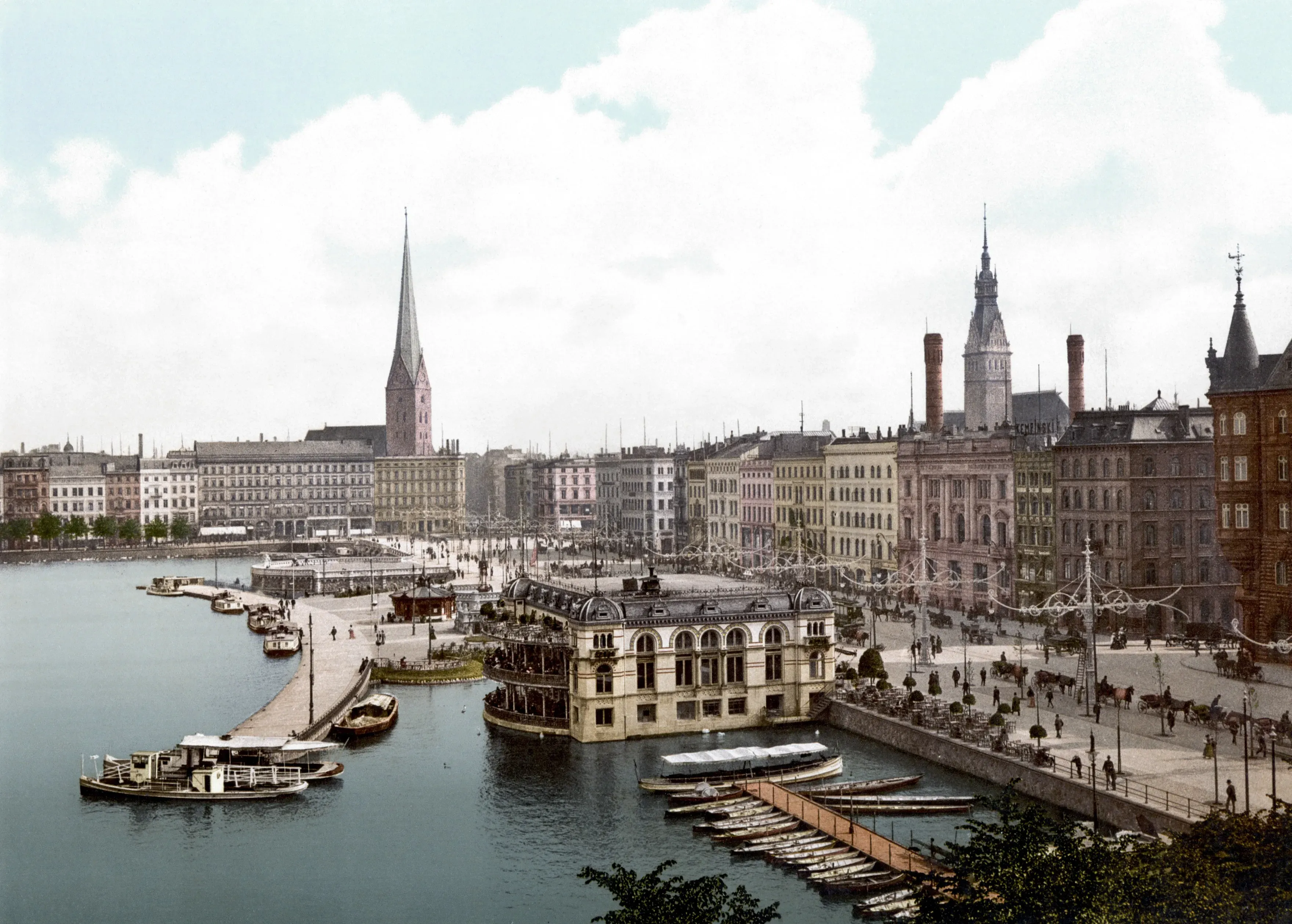
In Hamburg’s older quarters, the skyline tells stories through church spires, civic buildings, and carefully rebuilt streets. Landmarks like St. Michael’s Church and the central Rathaus area are not isolated attractions; they are markers of a city that repeatedly negotiated wealth, disaster, and renewal. Fires, wars, and economic transitions changed the map more than once, yet the core idea persisted: Hamburg as a self-confident trading city with strong civic institutions and global outlook.
Walking these areas today, you notice how monumental architecture and everyday life coexist. Office workers cross historic squares, cyclists pass ornate facades, and visitors drift between museums, bakeries, and embankments. It is exactly this layered normality that makes Hamburg memorable. The city card supports that style of exploration beautifully: practical transport between major sights, plus room to pause, look up, and absorb the details that guidebooks often skip.
Port expansion and global trade links
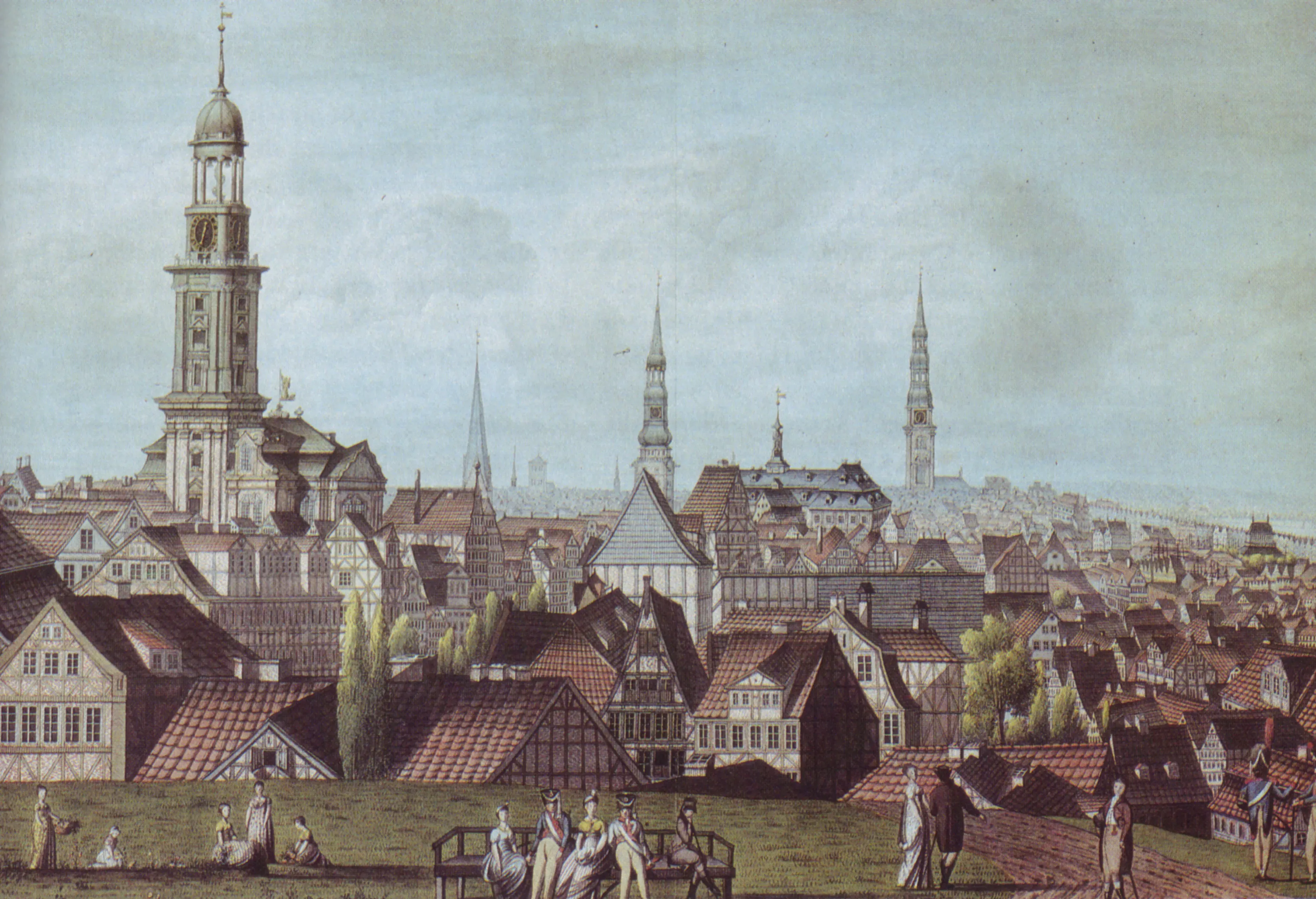
From the 19th century onward, Hamburg’s harbor expanded into one of Europe’s most significant maritime systems. Goods arrived and departed in staggering volumes—coffee, spices, textiles, industrial materials, and later containers that transformed global logistics. The city’s prosperity was tied to this movement, and so were its social dynamics: migration, labor specialization, and the formation of neighborhoods with distinct identities connected to docks, commerce, and transport corridors.
Today, even if you are just visiting for a few days, the port’s influence is obvious everywhere: in museums, street names, converted industrial buildings, and the city’s cosmopolitan food culture. Hamburg’s scale can surprise first-time travelers—it feels both local and global at once. A city card helps you navigate this complexity without friction, letting you move between central districts and waterside viewpoints in a way that reveals how trade shaped daily life then and now.
Speicherstadt: brick, canals, and commerce
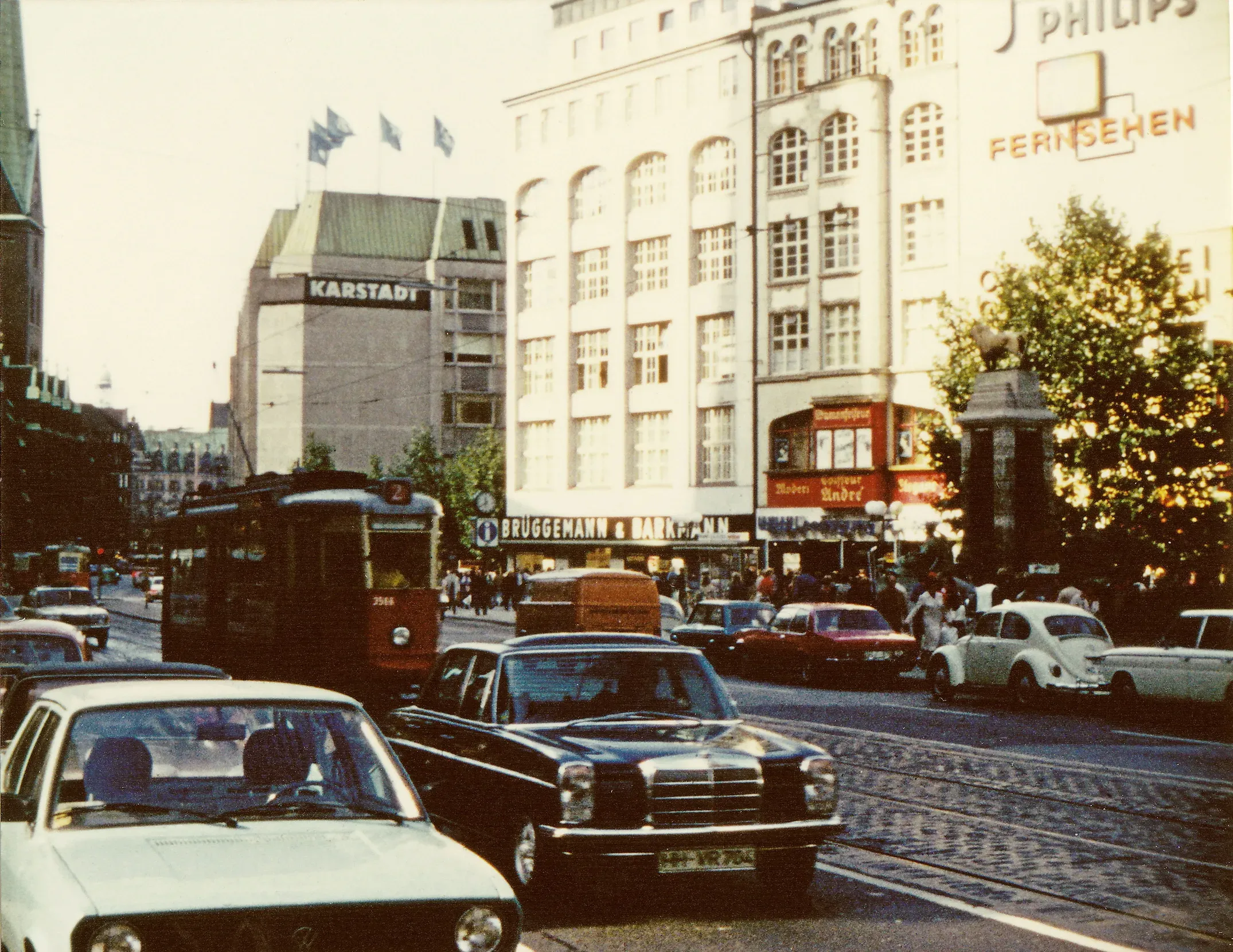
Speicherstadt is one of Hamburg’s most cinematic districts and one of its most revealing historical spaces. Built on timber-pile foundations in the late 19th and early 20th centuries, its neo-gothic brick warehouses once stored high-value goods like coffee, tea, cocoa, and spices under strict customs conditions. The district was not merely functional—it represented technological ambition, logistical precision, and a citywide investment in maritime commerce.
Walking through Speicherstadt today, you see elegant bridges, narrow canals, and facades that glow warmly in changing light. Yet behind this beauty lies a deeper story of urban transformation, labor systems, and changing trade patterns. Nearby HafenCity extends that story into the present, where modern residential and cultural spaces reinterpret the waterfront. Together, these zones feel like an open urban museum—and with practical transport access, they are easy to explore in depth.
Shipyards, labor, and industrial change
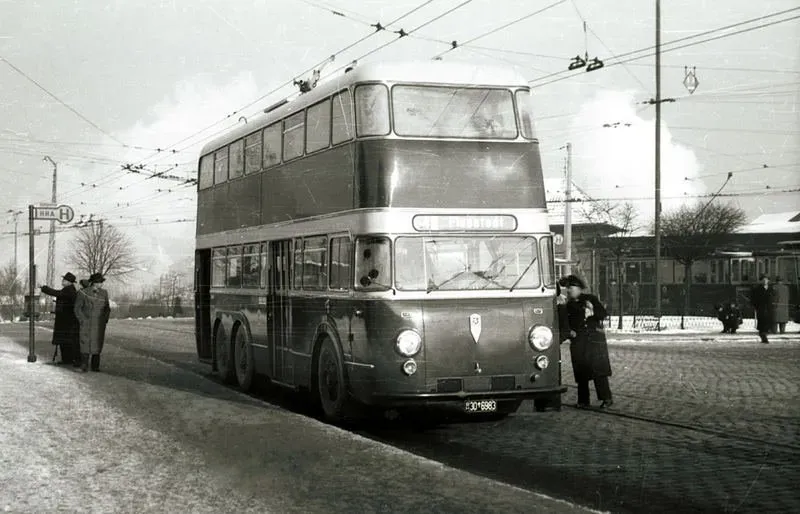
Hamburg’s reputation was never built by merchants alone. Dockworkers, shipbuilders, engineers, and transport workers shaped the city’s economy through demanding, often physically intense labor. Shipyards and industrial waterfront sectors became places of innovation and conflict alike—sites where new technologies met hard realities of working conditions, wages, and political organization.
As industry evolved, parts of the old waterfront declined while others adapted into modern logistics and cultural zones. This constant cycle—build, expand, transform, repurpose—remains central to Hamburg’s identity. Exploring these areas, whether through museums, guided tours, or simple observation from ferries and promenades, gives visitors a more complete understanding of the city beyond postcard scenery.
War, reconstruction, and modern planning
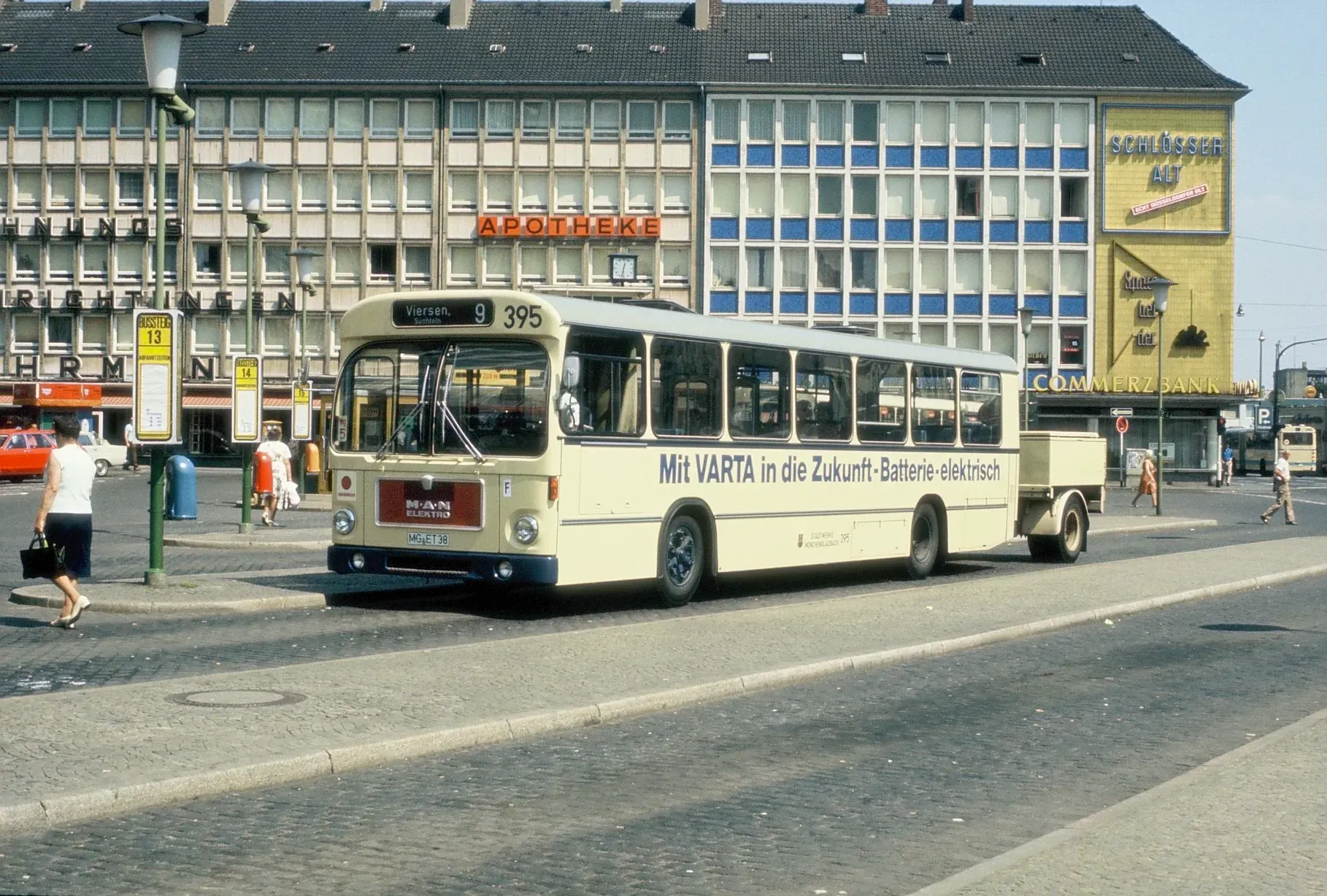
The Second World War left Hamburg deeply scarred, with major destruction across residential and industrial districts. Reconstruction was not a simple return to the past: planners faced urgent housing needs, infrastructure redesign, and economic reorientation. What emerged over decades was a city that retained symbolic landmarks while adopting modern transport systems, broader roads, and new forms of urban development.
This postwar transformation is visible in everyday movement patterns today. You can travel quickly between zones that belong to very different historical moments: medieval traces, imperial-era architecture, industrial spaces, and contemporary waterfront projects. Hamburg’s city card works especially well in this context because it supports exactly this kind of comparative exploration—one day, many chapters.
St. Pauli, culture, and social transformation
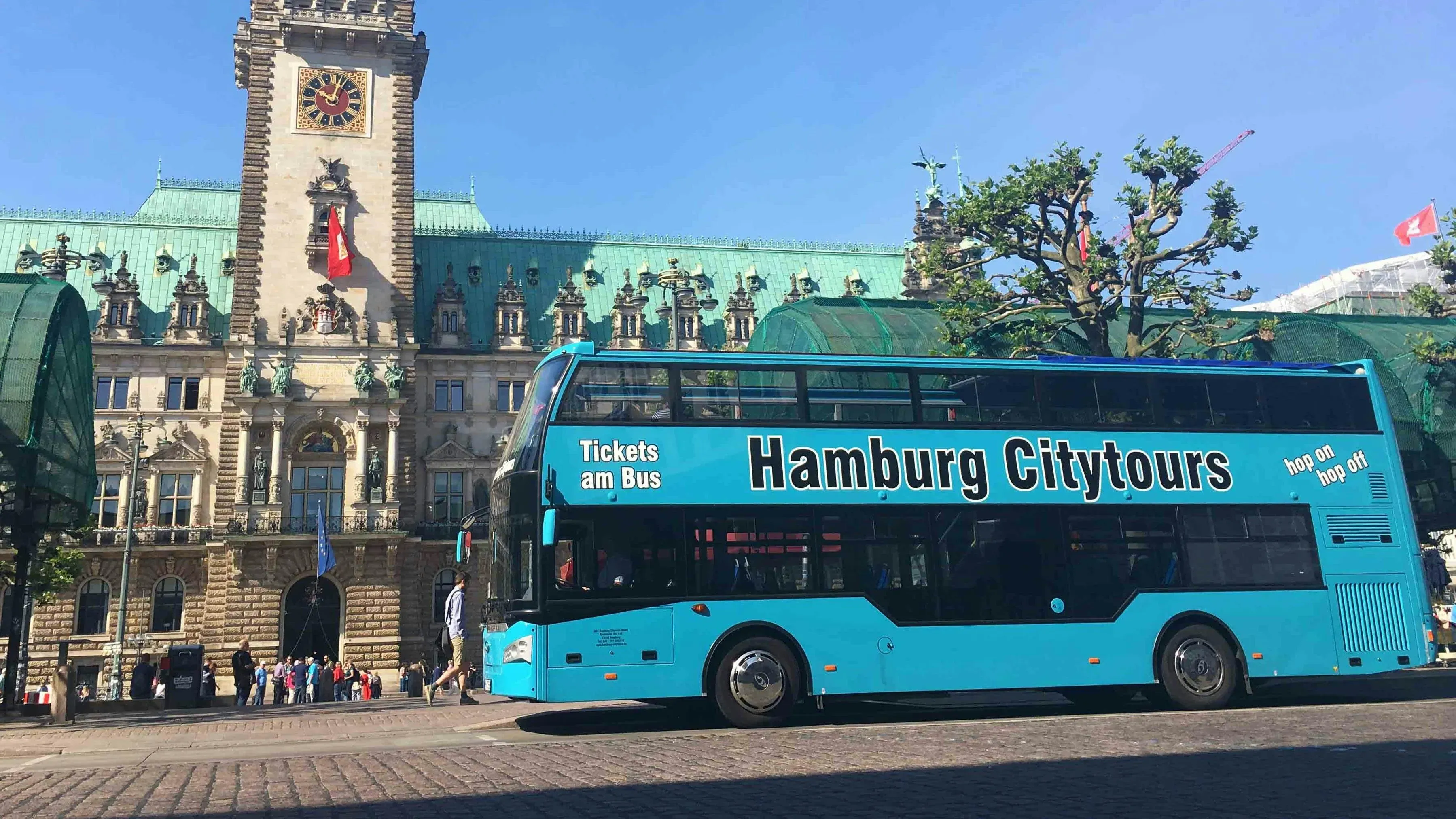
St. Pauli is often introduced through nightlife, but its history is broader: migration, music, activism, labor culture, and creative resistance have all left marks here. The district has long been a contact zone where visitors, seafarers, artists, and residents interact. Its reputation can be loud, but the deeper narrative is about social change and the negotiation of urban identity in public space.
Today, St. Pauli sits at the intersection of tourism and local life, raising ongoing questions about affordability, community, and preservation of cultural character. Visitors who explore respectfully often discover a neighborhood that is far more nuanced than stereotypes suggest. It is an excellent place to sense Hamburg’s dynamic side: imperfect, expressive, and constantly evolving.
Mobility, accessibility, and urban life
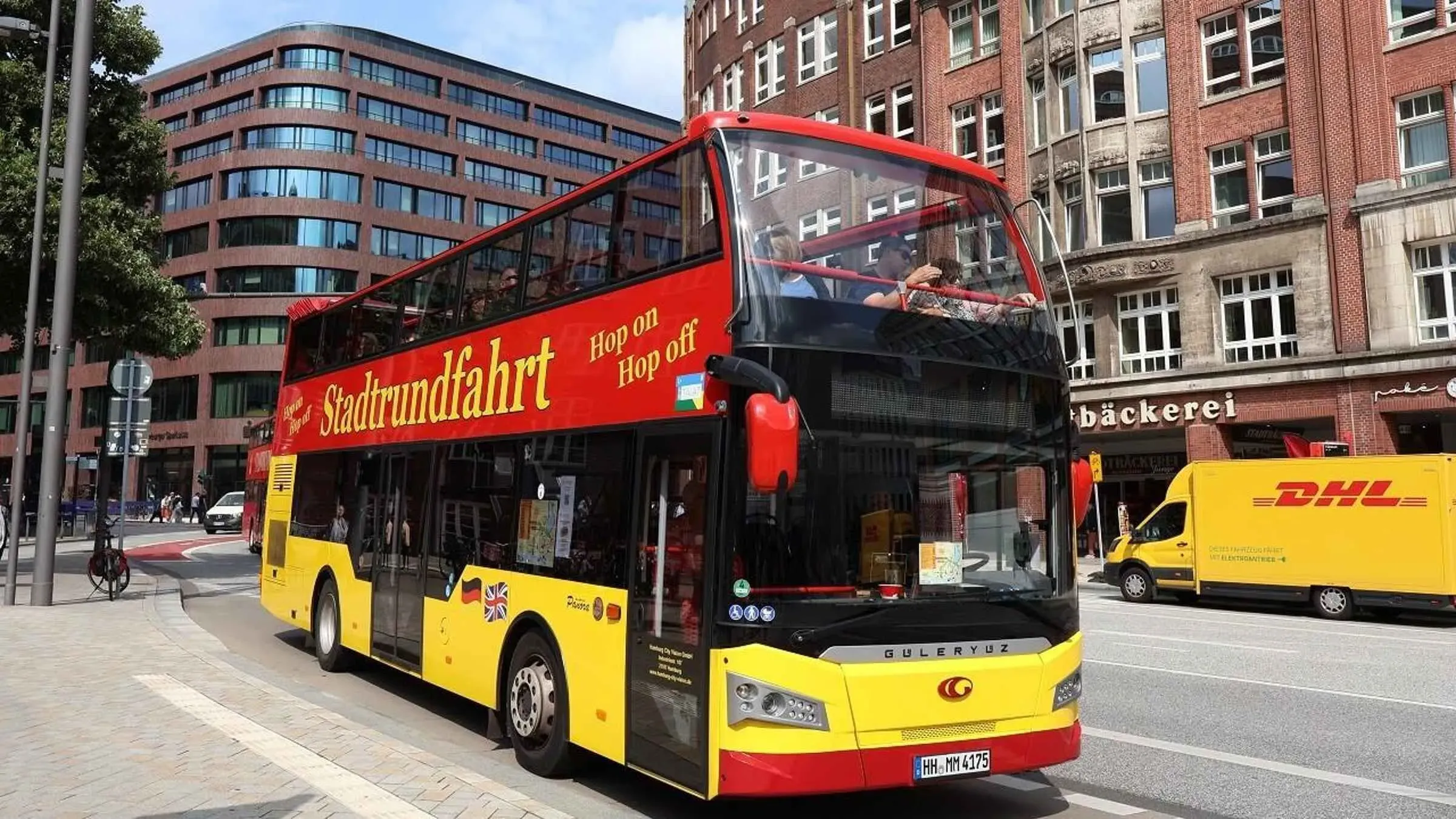
Hamburg’s transport system is one of the reasons city exploration feels manageable even for first-time visitors. Frequent services, clear signage in key hubs, and multimodal links between rail, bus, and ferry make route planning relatively intuitive. Still, big-city rhythms apply: rush-hour crowding, occasional disruptions, and event-related detours are part of daily life.
Accessibility continues to improve with platform upgrades, lifts, and low-floor vehicles, though station conditions can vary. For travelers with specific mobility requirements, advance route checks are worthwhile and can make the day significantly smoother. The city card’s value here is practical: when rerouting is needed, you can adapt quickly without ticket friction.
Festivals, music, and local rituals
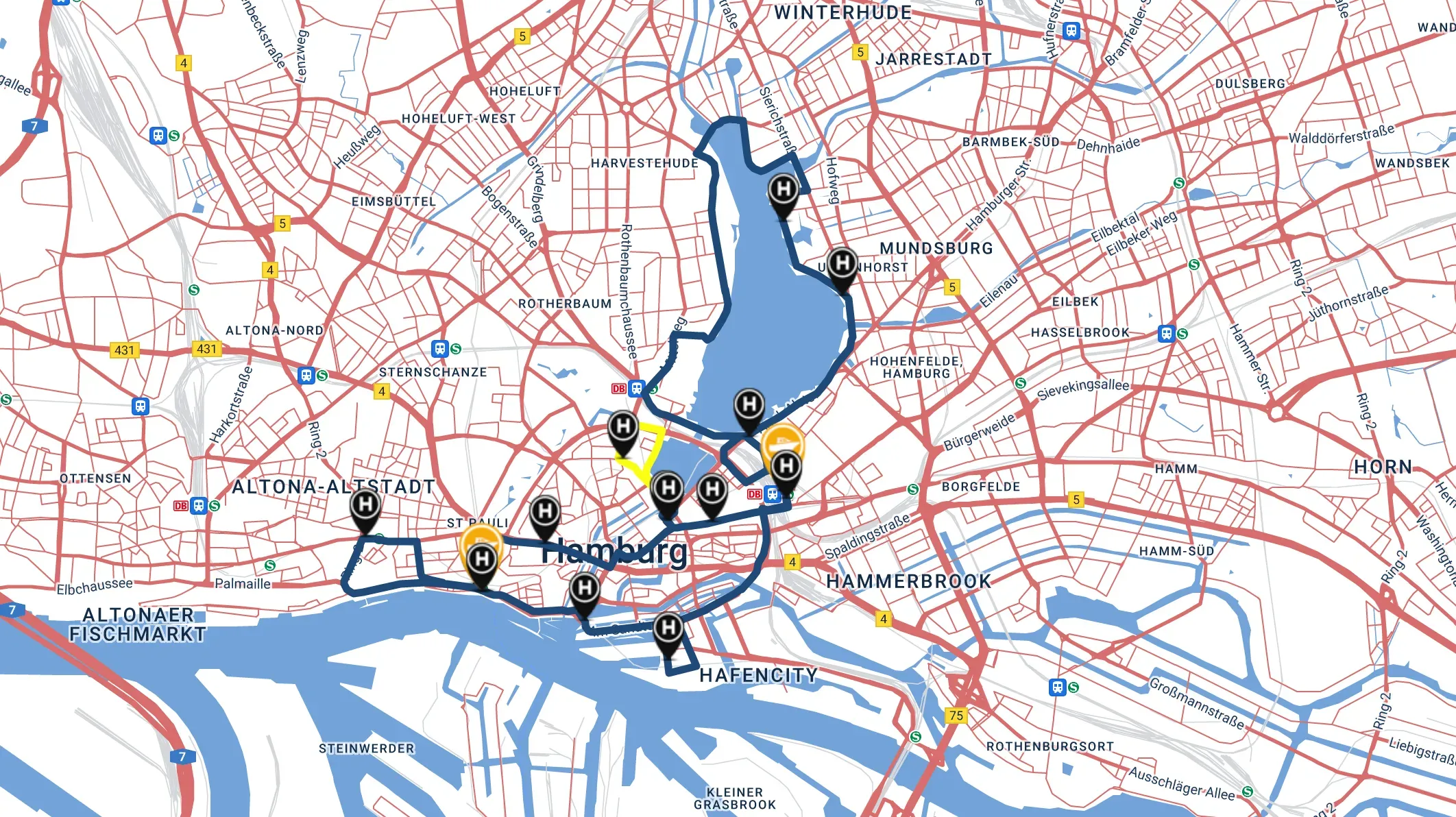
Hamburg’s calendar blends high culture and street vitality: classical concerts, neighborhood festivals, harbor events, design weeks, and food markets all animate the city through the year. The Elbphilharmonie symbolizes international cultural ambition, while smaller venues across districts sustain local scenes and emerging artists.
At a slower scale, everyday rituals define the atmosphere just as strongly: early coffee by the Alster, weekend flea markets, sunset ferry rides, and spontaneous gatherings on quayside steps. These are the moments many travelers remember most, and they are easy to include when transport is flexible and your plan leaves room for discovery.
City cards, savings, and practical strategy
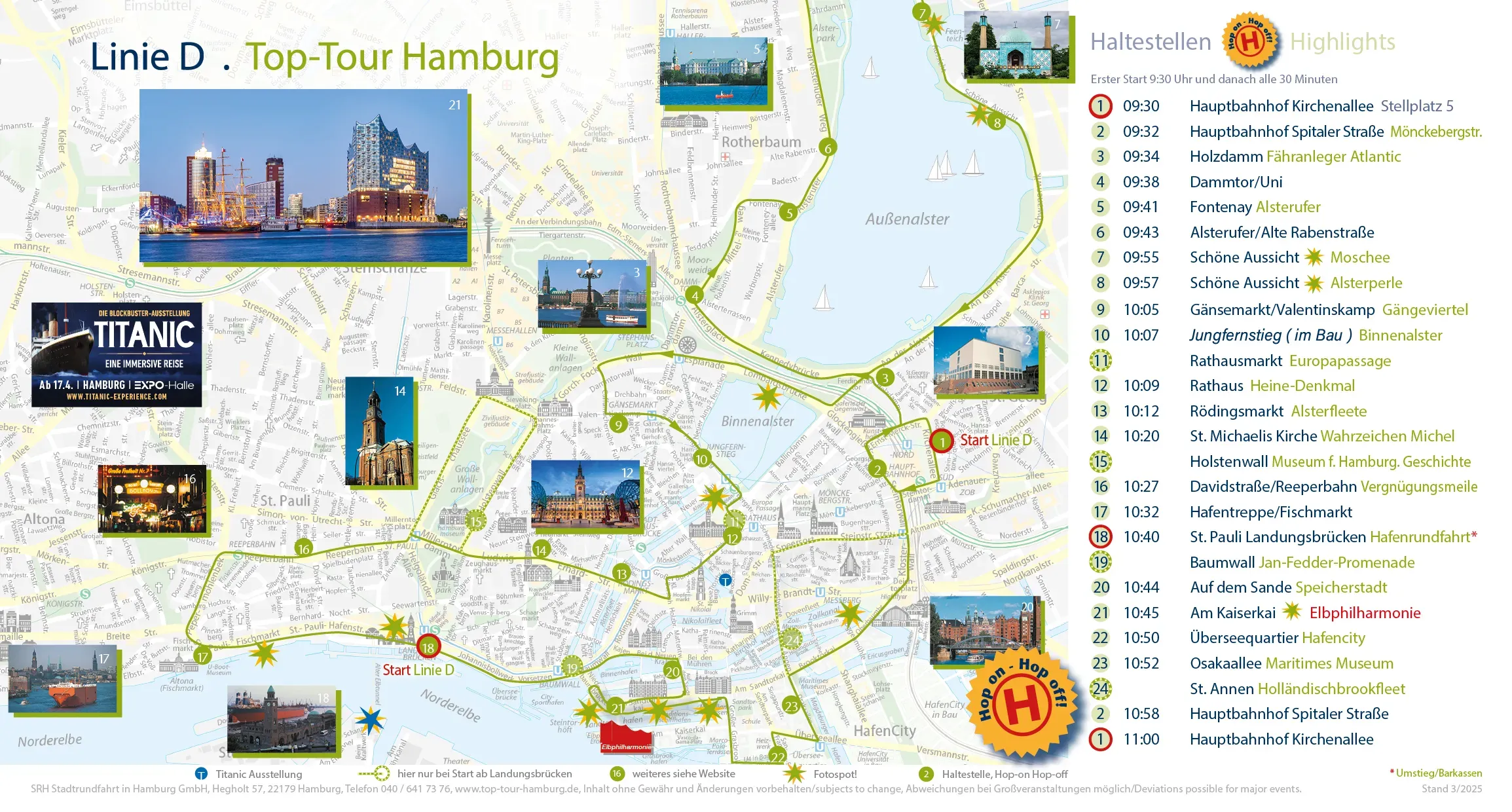
City cards are most useful when treated as planning tools, not just discount coupons. Start with your likely movement pattern: where you sleep, which districts you care about most, and how many paid attractions you realistically want to visit each day. Then compare card validity and partner offers to identify real value rather than theoretical savings.
A practical strategy is to group nearby experiences by half-day blocks: for example, Speicherstadt and HafenCity in one block, then Landungsbrücken and St. Pauli in another. This reduces backtracking and maximizes both time and energy. With transport already covered, you can adjust in real time when weather shifts or a place turns out better than expected.
Heritage protection in a growing metropolis
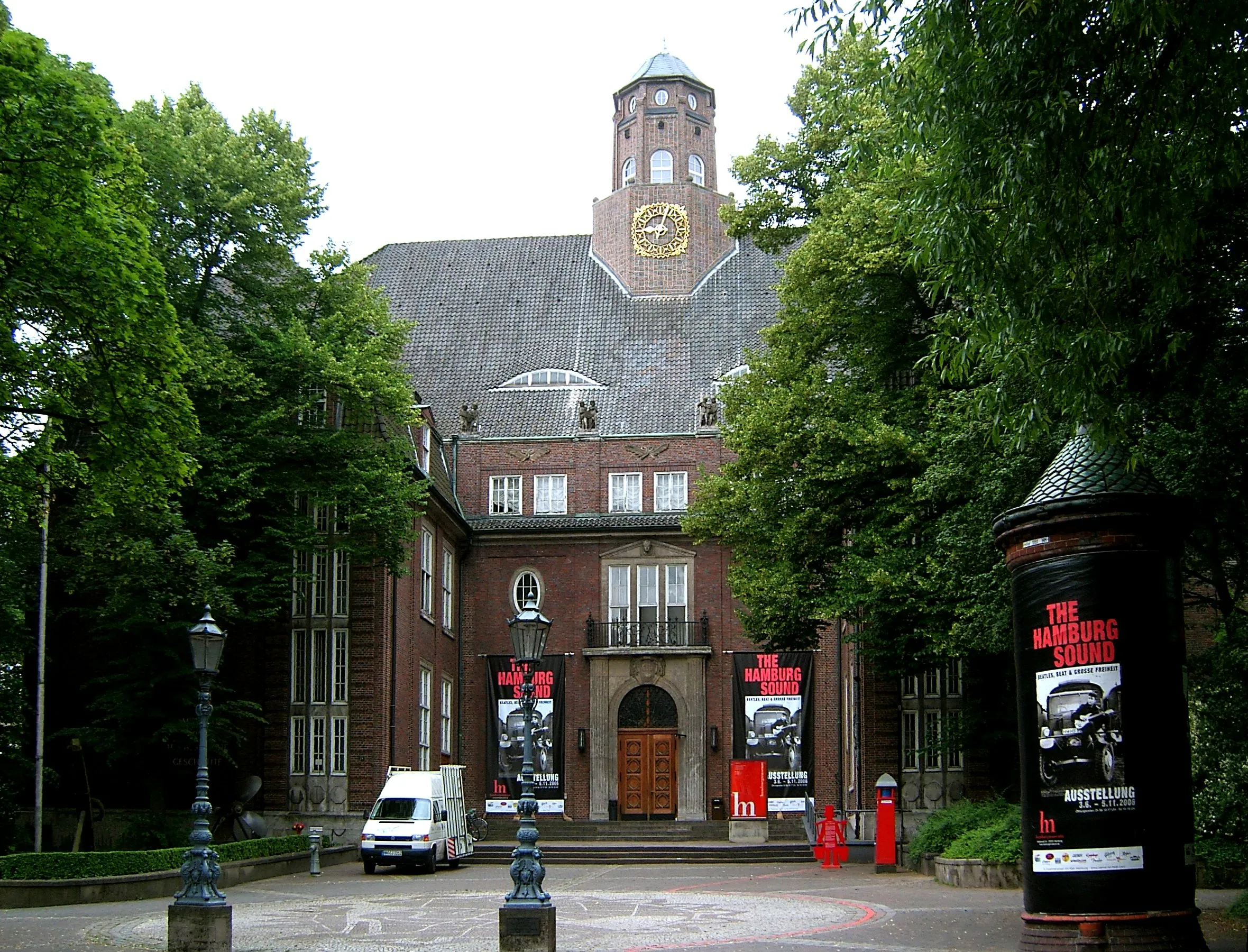
Hamburg’s development pressure is real: waterfront regeneration, housing demand, tourism growth, and economic expansion all compete for space. Preserving historic character under these conditions requires long-term policy, public dialogue, and careful project design. Districts like Speicherstadt demonstrate how preservation can succeed when heritage is treated as living infrastructure rather than static decoration.
Visitors can contribute positively by choosing official channels, respecting local neighborhoods, and supporting institutions that maintain historical sites and archives. City exploration becomes more meaningful when we see architecture not only as scenery but as evidence of social memory, labor history, and civic choices.
Harbor panoramas and neighborhood side trips
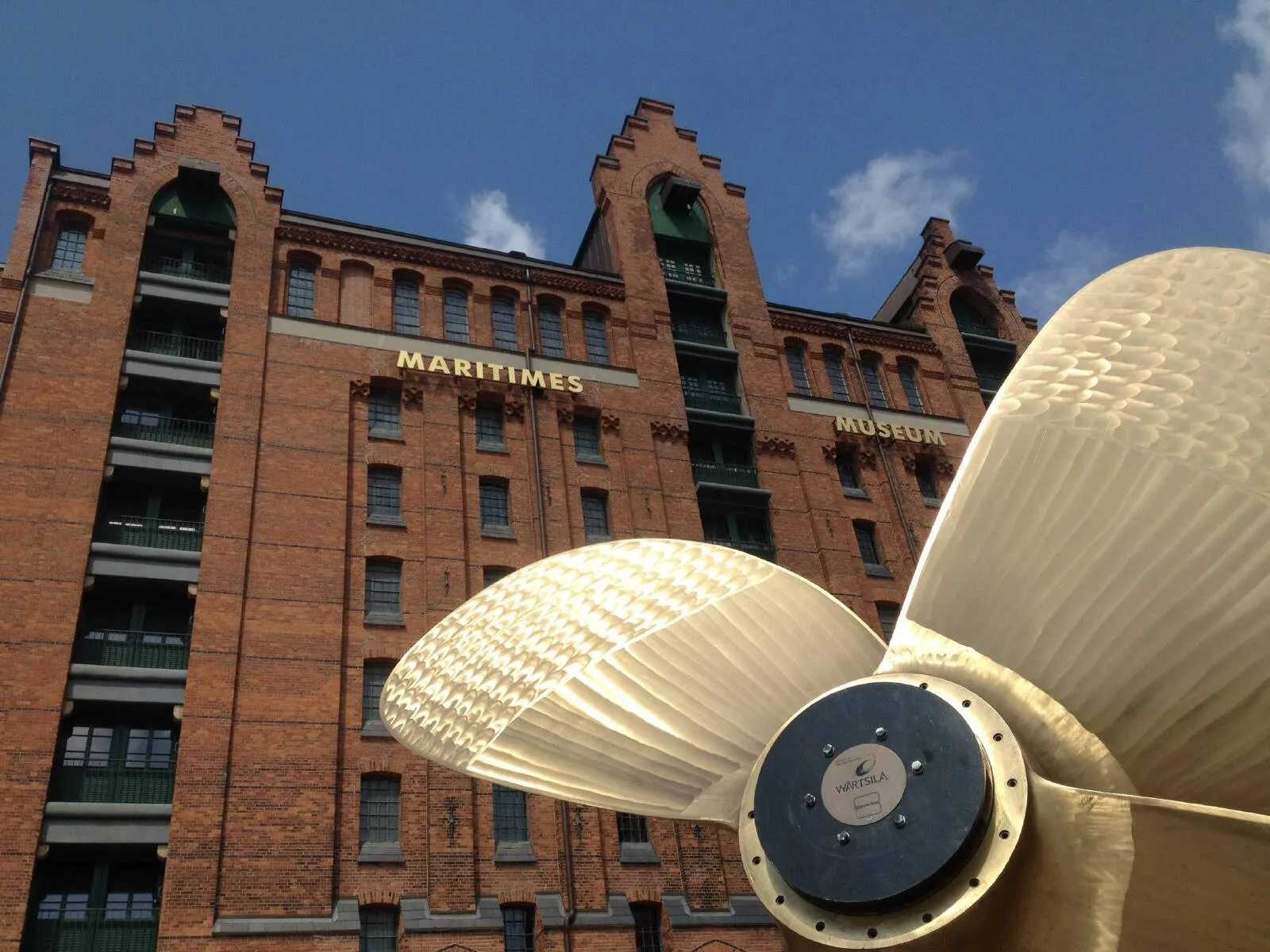
Many travelers begin with central highlights, then use transport flexibility for side trips that reveal different faces of the city. Depending on your interests, this might mean ferry viewpoints, quieter canals, local markets, or museum clusters outside the first-time-visitor core. Even short detours can change your understanding of Hamburg’s scale and diversity.
A favorite pattern is to combine one major landmark with one neighborhood discovery in the same half day. This keeps the itinerary balanced: iconic moments plus local texture. Over time, those local textures—small bakeries, hidden courtyards, riverside benches, neighborhood bookstores—often become the most personal memories of the trip.
Why Hamburg feels bigger than a city break
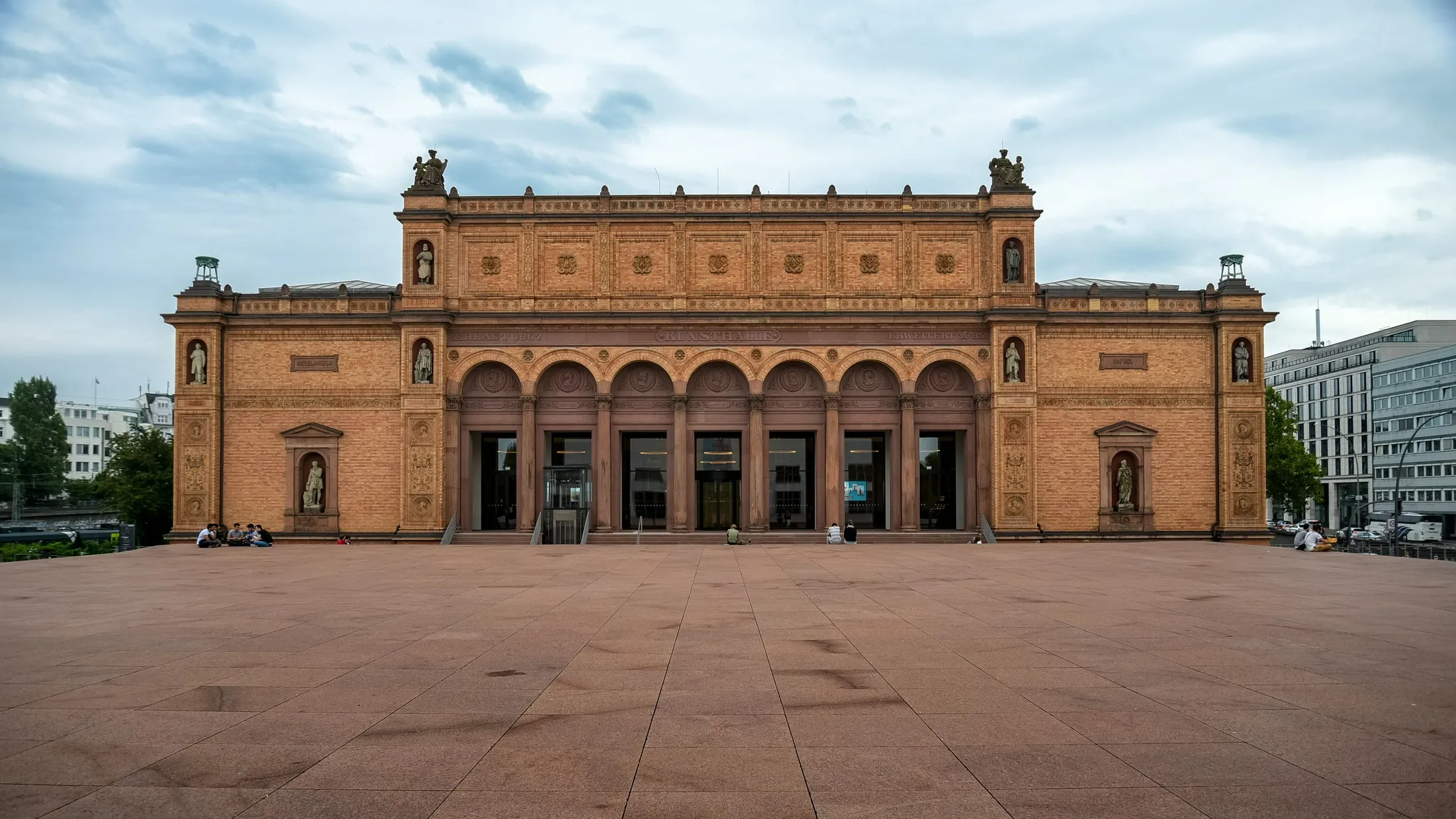
At first glance, Hamburg may seem like a compact weekend destination: a harbor, a few famous districts, and a shortlist of landmarks. But once you move through it, the city reveals unusual depth. Historical trade routes, industrial transitions, migration narratives, cultural experimentation, and ambitious urban redevelopment all coexist within a relatively accessible geography.
That is why a well-used city card can become more than a budget choice. It becomes a key that unlocks rhythm: move, pause, observe, continue. By evening, your map is no longer a checklist—it is a network of lived impressions. Hamburg’s story is not a single monument; it is a conversation between water, work, culture, and reinvention, and your journey becomes part of that dialogue.
Table of Contents
From Hammaburg to Hanseatic city
Before Hamburg became known for grand harbor views and urban waterfront architecture, it began as a strategic settlement often traced back to the early medieval Hammaburg. Over centuries, location did the heavy lifting: nearby rivers opened routes inland, while access to the North Sea connected the city to distant markets. Trade was not an afterthought here; it was identity. Local fortunes rose with shipping lanes, warehouse systems, and merchant networks that linked Hamburg to Scandinavia, the Low Countries, the Baltic region, and eventually much farther afield.
The Hanseatic legacy still shapes local character today: practical, internationally minded, and quietly proud. You can feel it in the architecture, in the rhythm of business districts, and in the way the city balances discipline with openness. Using a city card in modern Hamburg is more than convenience—it follows an old urban logic: movement, exchange, and access. In a city built on connections, your daily route becomes part of a story that has been unfolding for nearly a millennium.
Altstadt, churches & merchant identity
In Hamburg’s older quarters, the skyline tells stories through church spires, civic buildings, and carefully rebuilt streets. Landmarks like St. Michael’s Church and the central Rathaus area are not isolated attractions; they are markers of a city that repeatedly negotiated wealth, disaster, and renewal. Fires, wars, and economic transitions changed the map more than once, yet the core idea persisted: Hamburg as a self-confident trading city with strong civic institutions and global outlook.
Walking these areas today, you notice how monumental architecture and everyday life coexist. Office workers cross historic squares, cyclists pass ornate facades, and visitors drift between museums, bakeries, and embankments. It is exactly this layered normality that makes Hamburg memorable. The city card supports that style of exploration beautifully: practical transport between major sights, plus room to pause, look up, and absorb the details that guidebooks often skip.
Port expansion and global trade links
From the 19th century onward, Hamburg’s harbor expanded into one of Europe’s most significant maritime systems. Goods arrived and departed in staggering volumes—coffee, spices, textiles, industrial materials, and later containers that transformed global logistics. The city’s prosperity was tied to this movement, and so were its social dynamics: migration, labor specialization, and the formation of neighborhoods with distinct identities connected to docks, commerce, and transport corridors.
Today, even if you are just visiting for a few days, the port’s influence is obvious everywhere: in museums, street names, converted industrial buildings, and the city’s cosmopolitan food culture. Hamburg’s scale can surprise first-time travelers—it feels both local and global at once. A city card helps you navigate this complexity without friction, letting you move between central districts and waterside viewpoints in a way that reveals how trade shaped daily life then and now.
Speicherstadt: brick, canals, and commerce
Speicherstadt is one of Hamburg’s most cinematic districts and one of its most revealing historical spaces. Built on timber-pile foundations in the late 19th and early 20th centuries, its neo-gothic brick warehouses once stored high-value goods like coffee, tea, cocoa, and spices under strict customs conditions. The district was not merely functional—it represented technological ambition, logistical precision, and a citywide investment in maritime commerce.
Walking through Speicherstadt today, you see elegant bridges, narrow canals, and facades that glow warmly in changing light. Yet behind this beauty lies a deeper story of urban transformation, labor systems, and changing trade patterns. Nearby HafenCity extends that story into the present, where modern residential and cultural spaces reinterpret the waterfront. Together, these zones feel like an open urban museum—and with practical transport access, they are easy to explore in depth.
Shipyards, labor, and industrial change
Hamburg’s reputation was never built by merchants alone. Dockworkers, shipbuilders, engineers, and transport workers shaped the city’s economy through demanding, often physically intense labor. Shipyards and industrial waterfront sectors became places of innovation and conflict alike—sites where new technologies met hard realities of working conditions, wages, and political organization.
As industry evolved, parts of the old waterfront declined while others adapted into modern logistics and cultural zones. This constant cycle—build, expand, transform, repurpose—remains central to Hamburg’s identity. Exploring these areas, whether through museums, guided tours, or simple observation from ferries and promenades, gives visitors a more complete understanding of the city beyond postcard scenery.
War, reconstruction, and modern planning
The Second World War left Hamburg deeply scarred, with major destruction across residential and industrial districts. Reconstruction was not a simple return to the past: planners faced urgent housing needs, infrastructure redesign, and economic reorientation. What emerged over decades was a city that retained symbolic landmarks while adopting modern transport systems, broader roads, and new forms of urban development.
This postwar transformation is visible in everyday movement patterns today. You can travel quickly between zones that belong to very different historical moments: medieval traces, imperial-era architecture, industrial spaces, and contemporary waterfront projects. Hamburg’s city card works especially well in this context because it supports exactly this kind of comparative exploration—one day, many chapters.
St. Pauli, culture, and social transformation
St. Pauli is often introduced through nightlife, but its history is broader: migration, music, activism, labor culture, and creative resistance have all left marks here. The district has long been a contact zone where visitors, seafarers, artists, and residents interact. Its reputation can be loud, but the deeper narrative is about social change and the negotiation of urban identity in public space.
Today, St. Pauli sits at the intersection of tourism and local life, raising ongoing questions about affordability, community, and preservation of cultural character. Visitors who explore respectfully often discover a neighborhood that is far more nuanced than stereotypes suggest. It is an excellent place to sense Hamburg’s dynamic side: imperfect, expressive, and constantly evolving.
Mobility, accessibility, and urban life
Hamburg’s transport system is one of the reasons city exploration feels manageable even for first-time visitors. Frequent services, clear signage in key hubs, and multimodal links between rail, bus, and ferry make route planning relatively intuitive. Still, big-city rhythms apply: rush-hour crowding, occasional disruptions, and event-related detours are part of daily life.
Accessibility continues to improve with platform upgrades, lifts, and low-floor vehicles, though station conditions can vary. For travelers with specific mobility requirements, advance route checks are worthwhile and can make the day significantly smoother. The city card’s value here is practical: when rerouting is needed, you can adapt quickly without ticket friction.
Festivals, music, and local rituals
Hamburg’s calendar blends high culture and street vitality: classical concerts, neighborhood festivals, harbor events, design weeks, and food markets all animate the city through the year. The Elbphilharmonie symbolizes international cultural ambition, while smaller venues across districts sustain local scenes and emerging artists.
At a slower scale, everyday rituals define the atmosphere just as strongly: early coffee by the Alster, weekend flea markets, sunset ferry rides, and spontaneous gatherings on quayside steps. These are the moments many travelers remember most, and they are easy to include when transport is flexible and your plan leaves room for discovery.
City cards, savings, and practical strategy
City cards are most useful when treated as planning tools, not just discount coupons. Start with your likely movement pattern: where you sleep, which districts you care about most, and how many paid attractions you realistically want to visit each day. Then compare card validity and partner offers to identify real value rather than theoretical savings.
A practical strategy is to group nearby experiences by half-day blocks: for example, Speicherstadt and HafenCity in one block, then Landungsbrücken and St. Pauli in another. This reduces backtracking and maximizes both time and energy. With transport already covered, you can adjust in real time when weather shifts or a place turns out better than expected.
Heritage protection in a growing metropolis
Hamburg’s development pressure is real: waterfront regeneration, housing demand, tourism growth, and economic expansion all compete for space. Preserving historic character under these conditions requires long-term policy, public dialogue, and careful project design. Districts like Speicherstadt demonstrate how preservation can succeed when heritage is treated as living infrastructure rather than static decoration.
Visitors can contribute positively by choosing official channels, respecting local neighborhoods, and supporting institutions that maintain historical sites and archives. City exploration becomes more meaningful when we see architecture not only as scenery but as evidence of social memory, labor history, and civic choices.
Harbor panoramas and neighborhood side trips
Many travelers begin with central highlights, then use transport flexibility for side trips that reveal different faces of the city. Depending on your interests, this might mean ferry viewpoints, quieter canals, local markets, or museum clusters outside the first-time-visitor core. Even short detours can change your understanding of Hamburg’s scale and diversity.
A favorite pattern is to combine one major landmark with one neighborhood discovery in the same half day. This keeps the itinerary balanced: iconic moments plus local texture. Over time, those local textures—small bakeries, hidden courtyards, riverside benches, neighborhood bookstores—often become the most personal memories of the trip.
Why Hamburg feels bigger than a city break
At first glance, Hamburg may seem like a compact weekend destination: a harbor, a few famous districts, and a shortlist of landmarks. But once you move through it, the city reveals unusual depth. Historical trade routes, industrial transitions, migration narratives, cultural experimentation, and ambitious urban redevelopment all coexist within a relatively accessible geography.
That is why a well-used city card can become more than a budget choice. It becomes a key that unlocks rhythm: move, pause, observe, continue. By evening, your map is no longer a checklist—it is a network of lived impressions. Hamburg’s story is not a single monument; it is a conversation between water, work, culture, and reinvention, and your journey becomes part of that dialogue.